Aesthetic and Character
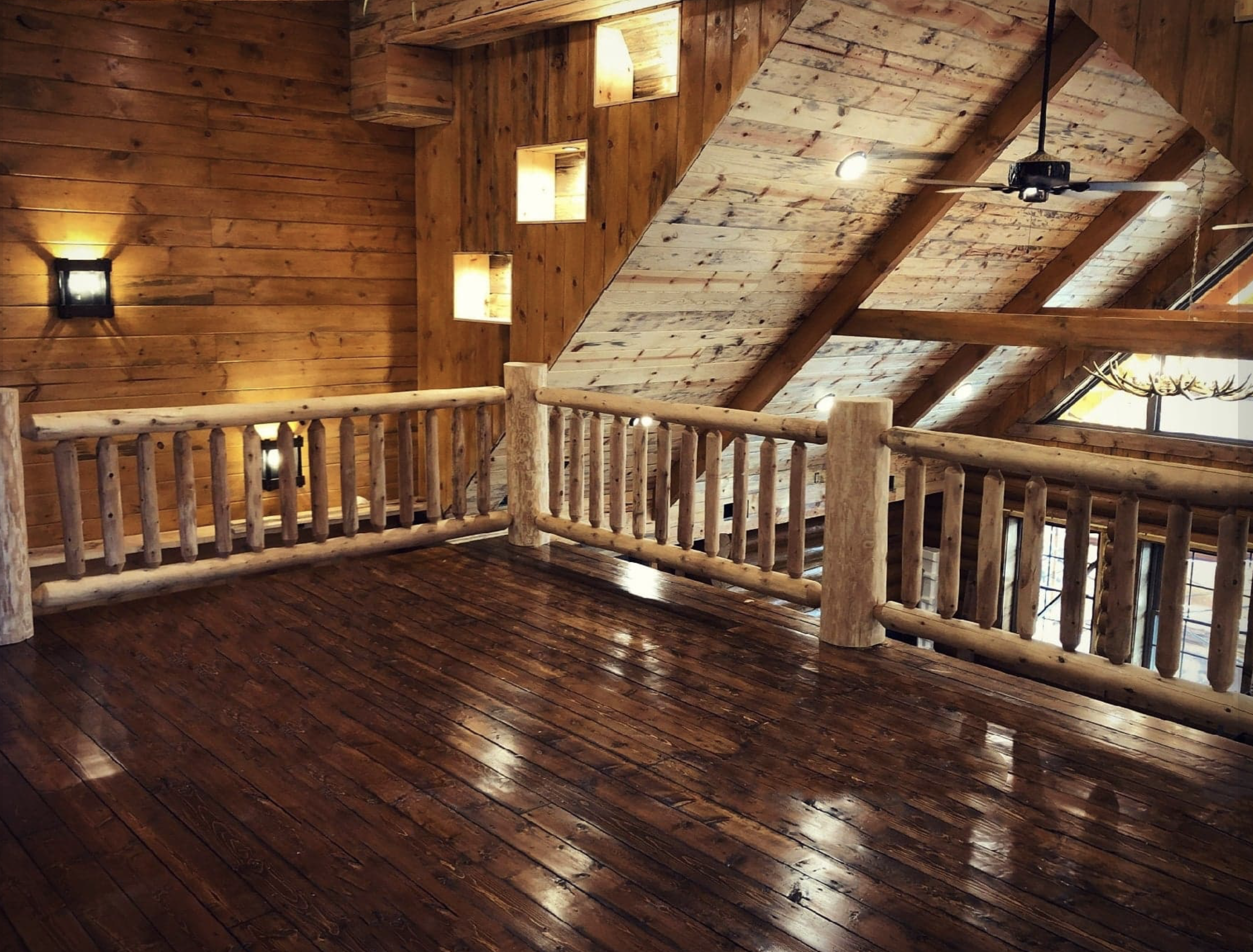
A log home exudes warmth and coziness with natural wood tones, visible grain, and soft, insulating textures that create an immediate sense of comfort. Its rustic authenticity—expressed with natural features such as visible joinery and organic imperfections—speaks to craftsmanship and a strong connection to tradition.
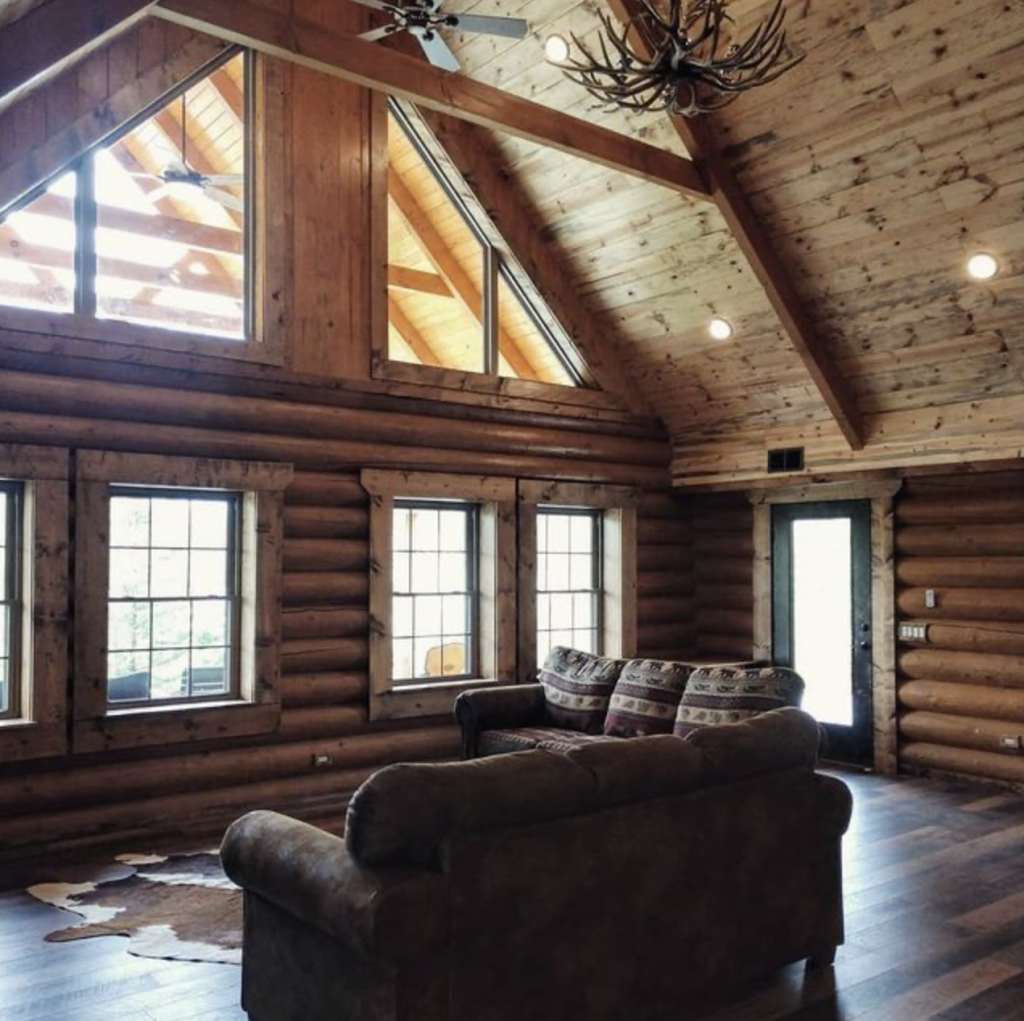
An earthy palette of browns, ambers, deep greens, and muted stone hues grounds the space in nature, while tactile materials like rough‑hewn logs, stone fireplaces, wool textiles, leather, and wrought‑iron hardware invite touch and convey durability. The home’s strong silhouette, with heavy rooflines, porches, and deep eaves, anchors it to the landscape and extends living outdoors. Inside, exposed beams and vaulted ceilings create airy volume even as log walls and intimate nooks preserve a human scale; repeating log courses, notched corners, and beam patterns provide a comforting visual rhythm.
Warm light—from firelight and layered, warm artificial sources to filtered daylight through wood‑framed windows—casts a golden atmosphere, and large windows and porches intentionally blur the boundary between interior and surrounding woods, mountains, or lakes.
 As Nature Intended
A log home is inherently connected to nature through the very materials it’s built from. Whole logs, timbers, and stone hearths carry the textures, colors, and stories of their origin—growth rings, knots, and mineral veining become interior finishes rather than hidden structure. This tangible presence of natural elements is a constant reminder of the seasonal rhythms of your surroundings: timber warms as light shifts through the day, stone moderates temperature, and wood’s scent changes subtly with humidity and heat, creating a living backdrop that reflects weather, light, and time.
The architecture of a log home frames and invites the landscape inward. Large windows, glass doors, and deep porches orient sightlines toward views of trees, water, and sky, while outdoor living spaces—wraparound decks, screened porches, and stone terraces—extend daily life beyond enclosed walls.
Because finishes are honest and tactile, transitions between indoors and out feel seamless: the same materials or complementary stone and wood palettes continue on patios and paths, and porches act as intermediate zones where weather, wildlife, and human activity meet.
Durability and longevity
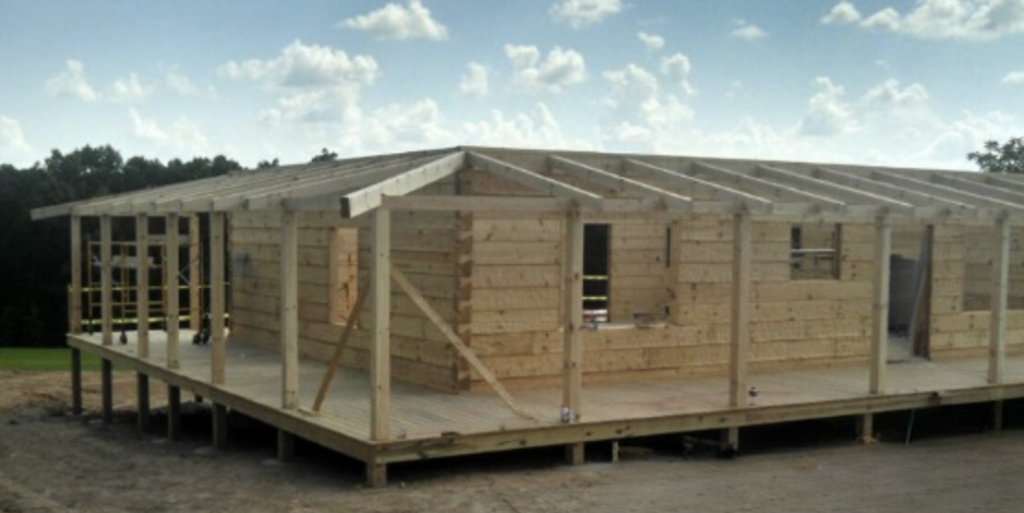
A well-built log home is one of the most durable residential structures you can own, largely because its very construction material—solid timber—has been proven over centuries. Many historic log cabins in North America and Europe have stood for well over a hundred years, even in harsh climates. The natural density and thickness of logs allow them to withstand high winds, heavy snow loads, and temperature extremes far better than conventional stick-built walls. When properly designed with wide roof overhangs, quality foundation work, and protection from ground moisture, a log home can easily outlast most modern construction techniques.
Longevity in a log home is closely tied to moisture management. Wood is incredibly resilient when kept dry and allowed to “breathe,” but prolonged exposure to standing water or poor airflow can shorten the lifespan of even the best-built structures. Modern log homes often incorporate specialized sealants, engineered logs, borate treatments, and ventilation systems that greatly reduce the risk of rot, mold, and insect infestation. With these protections in place, the logs maintain their structural integrity for decades with only minimal routine maintenance.
Another major advantage of log construction is its capacity to age gracefully. Over time, logs naturally settle and tighten, improving insulation and creating a home that becomes more thermally efficient as it matures. Routine upkeep—re-staining every few years, checking chinking or caulking, maintaining gutters, and inspecting roof flashing—ensures the home remains weather-tight. These simple maintenance steps not only extend the life of the logs but enhance the home’s beauty and energy efficiency.
Ultimately, the durability and longevity of a log home depend on a combination of craftsmanship, wood quality, climate, and proper maintenance. When built using modern best practices and cared for consistently, a log home isn’t just a dwelling—it’s a long-term investment that can last for generations. Many owners describe them as homes that actually improve with age, gaining character, strength, and value over time.